Understanding World Bee Day
Every year on May 20, the world comes together to celebrate World Bee Day. This special day reminds people that bees are not just insects flying around flowers. They are tiny workers that help keep nature alive. Without bees, many plants would stop growing, fruits would become fewer, and ecosystems would slowly weaken. It may sound surprising, but something as small as a bee can affect the food on your plate, the trees around your home, and even the air you breathe.
The idea behind World Bee Day is simple: protect bees and protect life. According to the Food and Agriculture Organization of the United Nations (FAO), pollinators like bees support more than 75% of the world’s crops. That means most fruits, vegetables, nuts, and seeds depend on pollination. Bees move pollen from one flower to another, helping plants reproduce naturally. Without this process, many crops would struggle to survive.
The 2026 theme for World Bee Day is "Bee together for people and the planet." The message behind this theme is powerful. It reminds communities that humans and bees have always depended on each other. Bees help people through food production and biodiversity, while humans can protect bees by caring for the environment. The theme also encourages sustainable farming, youth involvement, and community action.
For a youth focused organization like Ongozwa Rekebika Angaza (ORA) Club, World Bee Day is more than just an environmental celebration. It is an opportunity to teach young people about responsibility, teamwork, and protecting nature. Just as bees work together in a hive, communities must also work together to build a healthier environment.
What Is Biodiversity?
Many people hear the word biodiversity and think it sounds too scientific or difficult. In simple English, biodiversity means the variety of living things on Earth. This includes plants, animals, insects, birds, trees, rivers, forests, and even tiny organisms we cannot see with our eyes. Nature works like a giant web where every living thing depends on another. When one part disappears, the whole system becomes weak.
Bees may seem small, but they are among the most important players in the environment. They help flowers bloom, crops grow, and forests regenerate naturally.
Research shared during World Bee Day shows that about 90% of wild flowering plants depend on pollinators such as bees. Around 75% of major global food crops also benefit from insect pollination. That means bees are directly connected to food security and environmental health. Without pollinators, biodiversity begins to collapse slowly, like a house losing its foundation brick by brick.
Why Bees Are Important to Human Life
Bees are often called nature’s hardest workers, and they deserve the title. These tiny insects spend their lives collecting nectar and pollen while accidentally helping plants reproduce. The amazing thing is that bees do this naturally without asking for payment, praise, or attention. Yet the value of their work is enormous.
Imagine walking into a market and finding no mangoes, avocados, watermelon, coffee, or vegetables. Sounds impossible, right? Many of these foods rely heavily on pollination. Bees help improve both the quality and quantity of crops. According to global environmental reports, pollination is essential for agriculture and nutrition. Without bees, food prices would rise, farming would become harder, and many families could face hunger.
Bees also support healthy ecosystems. When they pollinate plants, they help forests, grasslands, and gardens continue growing. These plants then provide food and shelter for birds, animals, and insects. Nature operates like a connected chain. If bees disappear, the chain weakens.
The Current Threats Facing Bees
Even though bees are strong and hardworking, they face many dangers today. One of the biggest threats is climate change. Rising temperatures and changing weather patterns are affecting flowers, forests, and bee behavior. Some reports show bee swarming seasons are happening earlier because cold and rainy seasons are becoming warmer. This affects how bees reproduce and survive.
Another major problem is habitat loss. Trees and flowers are disappearing because of deforestation, urban growth, and poor farming practices. Imagine destroying someone’s home and expecting them to survive comfortably. That is exactly what happens to bees when forests and flowering plants disappear. Bees need safe spaces with flowers, water, and nesting areas.
Pesticides and dangerous chemicals are also harming pollinators. Many chemicals used on farms kill insects directly or weaken them slowly. Studies have shown that pesticide misuse is one of the leading causes of bee decline. Unfortunately, some people still use chemicals carelessly without considering the environmental impact.
Pollution adds another layer of danger. Plastic waste, dirty rivers, smoke, and environmental contamination affect ecosystems everywhere. Bees thrive in healthy, clean environments. When pollution increases, biodiversity suffers.
Practical Examples from Everyday Life
Sometimes environmental conversations feel distant or too complicated. But bees affect daily life more than many people realize. A farmer planting watermelon in Kitui, a tea farmer in Kericho, or a fruit seller in Nairobi all benefit from pollination in one way or another.
Take mango farming as an example. Bees help pollinate mango flowers, increasing fruit production. The same happens with coffee, sunflower, passion fruits, and vegetables. Without pollinators, harvests become smaller and weaker. Farmers then earn less income, while food becomes more expensive for consumers.
Gardens also matter. A small home garden with flowers can become a safe space for bees. Even planting lavender, sunflowers, or local flowering plants helps pollinators survive. Environmental experts encourage communities to grow bee friendly plants and reduce unnecessary lawn cutting because bees need flowers for food and nesting.
What Young People Can Do to Protect Bees
Plant Bee Friendly Flowers And Trees
Young people have more power than they think. One social media post, one tree planted, or one community conversation can inspire change. Bees are attracted to colorful flowers that provide nectar and pollen. Schools, churches, homes, and public spaces can become safe pollinator environments. Indigenous plants are especially important because local bees are already adapted to them.
Reduce Pollution And Plastic Waste
Plastic waste blocks rivers, damages ecosystems, and pollutes the environment. Community cleanups may look small, but they create awareness and improve environmental health. Imagine every youth group in Kenya cleaning one local area every month. The impact would be massive.
Support Local Farmers And Beekeepers
Buying local honey supports communities that practice sustainable beekeeping. It encourages environmental conservation while helping local economies grow. Education is also important because many people still do not understand how valuable bees are to nature and food production.
The Connection Between Bees And Climate Change
Climate change and biodiversity are deeply connected. When temperatures rise, ecosystems become unstable. Flowers bloom at unusual times, droughts become more common, and pollinators struggle to survive. Bees depend on predictable weather and healthy ecosystems. Climate change disrupts this balance.
Scientists are increasingly warning that pollinator decline could affect food systems globally. This is why environmental protection is no longer optional. It is necessary for survival.
Bees also help nature recover from environmental damage. By pollinating plants and trees, they support reforestation and ecosystem restoration. Healthy forests absorb carbon dioxide, protect water sources, and reduce the effects of climate change. In a way, bees quietly support the fight against global warming every single day.
World Bee Day is more than a celebration of insects. It is a reminder that small actions can create a huge impact. Bees may be tiny, but their role in biodiversity, food security, and environmental health is enormous. They connect forests to farms, flowers to fruits, and ecosystems to human survival.
The future of the planet does not depend on one big hero. It depends on millions of people making small, responsible choices every day. Just like bees working together in a hive, humanity must also work together for people and the planet.
More Articles
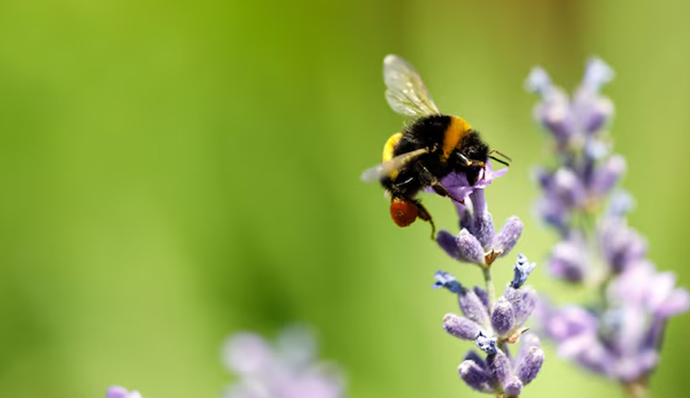
Why Bees Matter More Than We Think on World Bee Day
Every year on May 20, the world comes together to celebrate World Bee Day. This special day reminds people that bees are not just insects flying around flowers. They are tiny workers that help keep nature alive. Without bees, many plants would stop growin
Read more
World Health Day 2026 Stand With Science, Live Better
World Health Day is not just another date on the calendar it is like a global check engine light for our health. Every year on April 7, people across the world pause and ask a simple but powerful question, "How healthy are we really?"
Read more

Benefits of joining ORA Club for Youth
Joining ORA Club offer numerous benefits for young people, enhancing their social, emotional, and personal development. Here are some of the key benefits:
Read more

ORA Club Launches Mental Health Awareness Campaign
The launch began with a word of prayer from Wesonga Dericks, followed by short opening remarks. Joel Mbiti, ORA Club's Project Planner, said this campaign gives young people a chance to speak about the challenges they face, especially in colleges and univ
Read more