Understanding World Literacy Day
Communities around the world come together to recognize the importance of literacy and education each year. Literacy is the key that opens doors to opportunity, confidence, knowledge and a better future. It is more than simply knowing how to read and write. It gives people the ability to understand information, express their ideas, continue learning and participate meaningfully in society.
When a person can read, understand information and communicate effectively, they gain important tools for making informed decisions, pursuing opportunities and contributing positively to their community. Literacy can change the direction of an individual's life and create possibilities that may not have existed before.
On World Literacy Day, Ongozwa Rekebika Angaza (ORA) Club joins communities around the world in celebrating the transformative power of literacy and education.
The 2026 World Literacy Day Theme
This year, UNESCO is observing International Literacy Day under the theme “Literacy for people, the planet and prosperity.” The theme reminds us that literacy is closely connected to human development, sustainable communities and opportunities for a better future.
For ORA Club, literacy represents more than books, classrooms and examinations. It represents possibility. It gives a young person the confidence to dream bigger, a parent the ability to access and understand important information, and a community the knowledge needed to identify challenges and find solutions.
A literate society is better positioned to adapt to change. As technology continues to transform the way we communicate, work, learn and access information, literacy is becoming increasingly important in everyday life.
Why Literacy Is Important
Literacy touches almost every part of everyday life. From reading a school textbook to understanding a medicine label, completing an application form, using a mobile phone or accessing information online, literacy helps people navigate the world around them.
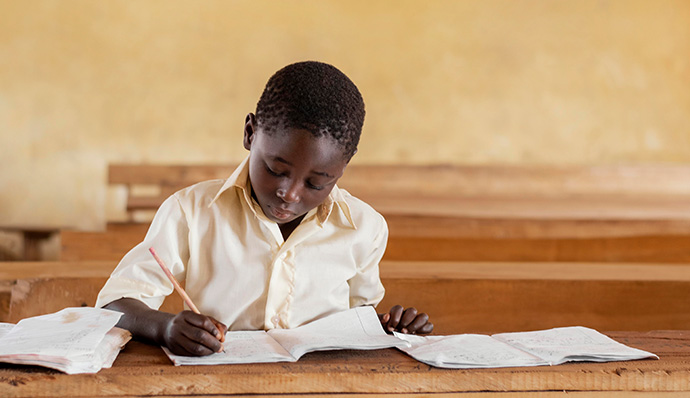
For young people, literacy provides a strong foundation for education and personal development. A child who develops good reading and writing skills is better prepared to learn new subjects, communicate ideas and discover new areas of knowledge. Literacy can also build confidence because it gives learners the ability to understand information independently.
For parents and guardians, literacy makes it easier to understand important information about education, health, finances and community services. It can help families make better decisions and support children throughout their education.
For communities, literacy creates informed citizens who can identify challenges, share ideas and participate in finding solutions. When more people have access to knowledge, communities become stronger and more capable of responding to change.
Literacy Is More Than Reading And Writing
Many people think of literacy as simply the ability to read and write. While these skills are essential, literacy has a much broader meaning in today's world. People also need to understand information, communicate effectively, think critically and continue learning throughout their lives.
Digital technology has made this even more important. People now receive information through websites, social media, mobile applications, videos and online platforms. Being able to read information is not always enough. Individuals also need to understand what they are reading, identify reliable information and use knowledge responsibly.
This means that learning does not end when someone leaves school. Literacy supports lifelong learning, allowing individuals to continue growing, discovering and contributing throughout their lives.
Literacy And Opportunity
Literacy can create opportunities that have a lasting impact on individuals and families. A person who can understand information and communicate clearly may find it easier to pursue further education, apply for employment, start a business or access important services.
For young people especially, literacy can help turn dreams into realistic goals. A student who develops strong reading and communication skills can explore books, research new ideas, understand educational materials and discover careers they may never have considered before.
Literacy also contributes to economic development. Businesses, organizations and communities need people who can communicate, understand instructions, solve problems and learn new skills. When people have these abilities, they are better prepared to participate in the economy and contribute to development.
The Connection Between Literacy And Confidence
Confidence is another powerful benefit of literacy. Imagine being able to read a document without needing someone else to explain it, complete a form independently, speak about your ideas or research a subject that interests you. These simple abilities can make a person feel more capable and independent.
For a young learner, successfully reading a story or writing an idea can be an important achievement. Each new skill can build confidence and encourage the learner to attempt something more challenging.
This is why literacy is not only an academic issue. It is also about dignity, independence and the belief that every person has the ability to learn and improve.
Barriers To Literacy And Education
Although literacy can transform lives, many people around the world still face barriers to education and learning. These barriers can include poverty, limited access to schools and learning materials, social challenges, inadequate educational resources and other circumstances that make regular learning difficult.
This reminds us that promoting literacy cannot be the responsibility of schools and teachers alone. Families, communities, organizations, governments and individuals all have a role to play.
Supporting literacy can take many forms. It can mean encouraging a child to read, donating learning materials, creating community reading spaces, supporting teachers, mentoring young people or simply sharing useful knowledge with someone who needs it.
Every small action can contribute to creating an environment where people feel encouraged to learn.
What ORA Club Believes About Literacy
For us, every opportunity to learn is an opportunity to be guided, transformed and empowered to shine. This belief is reflected in the meaning behind the abbreviation ORA - Ongozwa Rekebika Angaza.
Education can guide individuals toward better choices, transform the way they understand themselves and the world around them, and empower them to shine in their communities. Literacy is an important part of that journey.
ORA Club believes that young people should be encouraged to develop a culture of reading and learning. Parents and guardians should also be supported in creating environments where children can learn, ask questions and develop their abilities.
Encourage A Culture Of Reading
Young people can make reading part of their everyday lives. Reading does not always have to involve school textbooks. Novels, newspapers, biographies, magazines, educational websites and other useful materials can all help develop knowledge and vocabulary.
Even a few pages every day can make a difference over time. The goal is to make reading a habit rather than something that happens only when examinations are approaching.
Support Children In Their Education
Parents and guardians play an important role in developing literacy. Encouraging children to read, helping them with schoolwork and creating time for learning can make education feel more valuable and enjoyable.
A child who knows that their family believes in their education is more likely to feel motivated to keep learning, even when schoolwork becomes difficult.
Create Spaces For Learning
Communities can also contribute by creating safe spaces where people can read, share knowledge and learn from one another. Libraries, youth centers, schools, community organizations and other public spaces can become places where knowledge is freely shared.
A community does not need expensive facilities to encourage learning. Sometimes a small reading group, mentorship program or community discussion can inspire someone to develop a lifelong love for knowledge.
Literacy And Technology
Technology is changing how people access and share information. Mobile phones, computers and the internet have created new opportunities for learning. A person can now access educational materials, online courses, digital libraries and information from almost anywhere.
However, technology also makes literacy more important. People need the ability to understand digital information, communicate responsibly and distinguish useful information from misleading or inaccurate content.
Digital literacy therefore complements traditional reading and writing skills. As technology continues to influence education, employment and communication, people who can confidently navigate the digital world will have more opportunities to learn and participate.
Building Stronger And More Informed Communities
Literacy is not simply about helping individuals succeed. It can also help build communities that are more informed, inclusive, innovative and prepared for the future.
When people understand information, they can participate more meaningfully in conversations about their families, communities and society. They can identify challenges, exchange ideas and work together to find solutions.
Knowledge can also help communities adapt to change. Whether the challenge involves technology, the environment, employment, health information or social development, educated and informed communities are better prepared to respond.
Celebrating The People Who Make Literacy Possible
This World Literacy Day, let us celebrate every teacher who inspires a learner, every parent who encourages a child to read, every student who refuses to give up, and every community member who helps another person discover the power of knowledge.
Teachers dedicate their time and energy to helping learners understand new ideas. Parents provide encouragement and support. Students bring curiosity, determination and hope. Community members and organizations can create opportunities for people who may otherwise struggle to access learning.
Each of these contributions matters. Literacy grows when people work together and recognize that education is a shared responsibility.
A Better Future Begins With Learning
Literacy is the key that opens doors to opportunity, confidence, knowledge and a better future. It gives people the tools to understand their world, communicate their ideas, pursue opportunities and continue learning throughout life.
For ORA Club, literacy represents possibility. It is the confidence of a young person who dares to dream bigger, the ability of a parent to understand important information, and the knowledge of a community that comes together to solve its challenges.
As we celebrate World Literacy Day, let us remember that education is not the responsibility of one person or one institution. We all have a role to play. Let us encourage reading, support learners, share knowledge and create spaces where every person has an opportunity to learn.
More Articles
The Key that Opens Doors to a Better Future
Communities around the world come together to recognize the importance of literacy and education each year. Literacy is the key that opens doors to opportunity, confidence, knowledge and a better future. It is more than simply knowing...
Read more

Why Bees Matter More Than We Think on World Bee Day
Every year on May 20, the world comes together to celebrate World Bee Day. This special day reminds people that bees are not just insects flying around flowers. They are tiny workers that help keep nature alive. Without bees, many plants would stop growin
Read more

World Health Day 2026 Stand With Science, Live Better
World Health Day is not just another date on the calendar it is like a global check engine light for our health. Every year on April 7, people across the world pause and ask a simple but powerful question, "How healthy are we really?"
Read more
Benefits of joining ORA Club for Youth
Joining ORA Club offer numerous benefits for young people, enhancing their social, emotional, and personal development. Here are some of the key benefits:
Read more

ORA Club Launches Mental Health Awareness Campaign
The launch began with a word of prayer from Wesonga Dericks, followed by short opening remarks. Joel Mbiti, ORA Club's Project Planner, said this campaign gives young people a chance to speak about the challenges they face, especially in colleges and univ
Read more